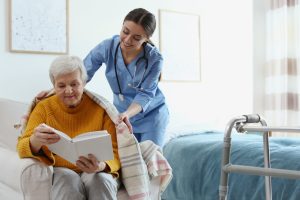
Job Title: Caregivers
Location: Brampton, ON
Shift: Morning, Night, Overnight
Wage: $21.80/Hour
Caregivers provide a variety of non-medical professional home care services that allow seniors to remain safely in their dearest homes. These services generally fall under five categories:
- Companionship Care – Engaging in conversation, planning a daily schedule, and caring companionship
- Home Duties Care – Meal Preparation, Housekeeping, Groceries and errands, Writing letters
- Personal Care – Bathing/Showering, Dressing, Medication reminder and exercise assistance
- Special Care – Disabilities, Alzheimer’s and dementia, Live-In care, End-of-Life care
- Transportation Care – General shopping, Picking up prescriptions, special events, doctor appointments
What skills and qualities are important for a Caregiver?
Caregivers play a crucial role in providing support and assistance to individuals who need help with daily activities, medical care, or emotional support. Whether caring for the elderly, individuals with disabilities, or those recovering from illness, caregivers need a diverse set of skills and qualities to excel in their role. Here are some important skills and qualities for a caregiver:
- Compassion and Empathy: Caregivers must genuinely care for the well-being and happiness of those they support. Compassion and empathy are essential in understanding and addressing the emotional and physical needs of individuals under their care.
- Communication Skills: Effective communication is vital for understanding the needs and preferences of the person receiving care and for conveying important information to healthcare professionals, family members, and other caregivers.
- Patience: Caring for individuals who may have limitations or medical conditions can require patience, especially when providing assistance with daily tasks.
- Observation Skills: Being attentive and observant allows caregivers to notice changes in a person’s health or behavior and report any concerns to healthcare providers promptly.
- Personal Care Skills: Caregivers may assist with bathing, dressing, grooming, and toileting, requiring sensitivity and maintaining the individual’s dignity.
- Mobility Assistance: Helping individuals with mobility issues move around safely, including transferring from bed to chair or using mobility aids, is a common aspect of caregiving.
- Medication Management: Caregivers may be responsible for helping with medication reminders and ensuring medications are taken correctly.
- Meal Preparation: Preparing nutritious meals and managing dietary needs is important for supporting the individual’s overall health.
- Emotional Support: Caregivers provide companionship and emotional support to reduce feelings of isolation and loneliness.
- Time Management: Managing schedules and tasks efficiently ensures that individuals receive timely and appropriate care.
- Flexibility: Healthcare needs can change unexpectedly, so being flexible and adapting to evolving circumstances is essential.
- Problem-Solving: Caregivers may encounter various challenges in providing care. The ability to think critically and find solutions is valuable.
- Safety Awareness: Following safety protocols and guidelines is crucial to prevent accidents and ensure a safe environment.
- Cultural Sensitivity: Being culturally sensitive allows caregivers to provide personalized and respectful care that aligns with an individual’s cultural beliefs and practices.
- Documentation Skills: Keeping accurate records of care provided, observations, and any changes in the person’s condition is essential for continuity of care and communication with healthcare professionals.
- Resilience: The role of a caregiver can be emotionally demanding. Emotional resilience helps in coping with stress and maintaining a positive attitude.
Caregiving is a rewarding yet challenging profession. Possessing these skills and qualities allows caregivers to provide compassionate and high-quality care to those who need it most, improving their overall well-being and quality of life.
Who can apply to this job?
The employer accepts applications from:
- Canadian citizens and permanent or temporary residents of Canada.
- Other candidates with or without a valid Canadian work permit.
How to apply
What education and certification are required to become a Caregiver?
The education and certification requirements to become a caregiver can vary depending on the specific role, the state or country in which you plan to work, and the type of care you intend to provide. In many cases, formal education beyond a high school diploma or equivalent is not mandatory. However, obtaining certain certifications and training can enhance your skills and employability as a caregiver.
Education:
- High School Diploma or Equivalent: A high school diploma or GED is typically the minimum educational requirement for becoming a caregiver.
- Vocational Training or Certificate Programs: While not always mandatory, completing a vocational training program or obtaining a certificate in a relevant field, such as home health aide or personal care assistant, can provide you with essential caregiving knowledge and skills.
Certification:
- Certified Nursing Assistant (CNA) or Personal Support Worker (PSW): Many caregivers work as CNAs or PSWs, and obtaining these certifications can be advantageous. These certifications involve completing a state-approved training program and passing a competency exam. CNAs and PSWs are often responsible for direct care tasks, including personal care and assistance with activities of daily living.
- Home Health Aide (HHA) Certification: If you plan to provide care in a home setting, obtaining a Home Health Aide certification might be required or preferred by employers.
- First Aid and CPR Certification: Employers often prefer caregivers to have current First Aid and CPR certifications, as these skills are crucial in emergencies.
- Dementia Care Certification: If you plan to work with individuals with dementia or Alzheimer’s disease, specialized training and certification in dementia care may be beneficial.
- Medication Administration Certification: Some caregivers may be responsible for administering medications to individuals under their care. Obtaining a medication administration certification may be necessary for this role.
It’s important to note that the specific certification requirements can vary based on the state or country in which you plan to work. Different regions might have different names for similar roles or varying certification requirements.
While formal education and certifications can enhance your qualifications, hands-on experience and a caring attitude are also highly valued in the field of caregiving. Many employers provide on-the-job training for new caregivers to learn specific care procedures and protocols.
If you are interested in becoming a caregiver, research the specific requirements in your area and consider enrolling in a recognized training program or seeking certification to improve your skills and increase your job prospects in this rewarding and essential caregiving role.
What is the work environment like for Caregiver?
The work environment for a caregiver can vary depending on the type of caregiving role and the setting in which they provide care. Caregivers work with individuals who need assistance and support due to age, illness, disability, or other health conditions. Here are some common work environments for caregivers:
- Home Care Settings: Many caregivers provide care in the homes of the individuals they support. This could involve caring for the elderly, individuals with disabilities, or those recovering from illness or surgery.
- Assisted Living Facilities: Caregivers may work in assisted living facilities, which provide housing and support services for individuals who need some assistance with daily living activities but want to maintain a level of independence.
- Nursing Homes: Caregivers in nursing homes provide care to elderly individuals who require more extensive assistance with daily living activities and may have medical needs that require nursing care.
- Residential Care Homes: Residential care homes, also known as group homes or care homes, provide housing and support for a small group of residents. Caregivers in these settings may work with individuals with disabilities or those needing specialized care.
- Hospice Care: Caregivers who work in hospice care provide comfort and support to individuals with terminal illnesses and their families during the end-of-life stages.
- Hospital Settings: Some caregivers work in hospitals, providing care to patients who need assistance with daily activities during their hospital stay.
Work Environment Characteristics:
- Personal Care Assistance: Caregivers often assist with personal care tasks, including bathing, grooming, dressing, toileting, and feeding.
- Companionship: Caregivers provide emotional support and companionship to reduce feelings of isolation and loneliness.
- Medical Support: Depending on the setting and the individual’s needs, caregivers may provide medication reminders, basic medical monitoring, and assistance with medical equipment.
- Flexible Schedule: Caregivers may work on a flexible schedule, including evenings, weekends, and holidays, to accommodate the needs of the individuals they support.
- Emotional Demands: Caring for individuals with health challenges can be emotionally demanding, and caregivers need to cope with stress and maintain a positive attitude.
- Physical Demands: The job may involve physical tasks, such as assisting with transfers, lifting, and providing mobility support.
- Collaboration: Caregivers often work as part of a healthcare team, collaborating with nurses, therapists, and other caregivers to provide comprehensive care.
- Safety and Infection Control: Following safety protocols and infection control measures is critical to prevent accidents and ensure a safe environment for both the caregiver and the person receiving care.
The work environment for a caregiver is deeply rewarding, as they have the opportunity to make a meaningful difference in the lives of the individuals they support. It requires compassion, patience, and the ability to provide person-centered care while promoting dignity and independence.