Job Title: Care Aide
Location: British Columbia
Shift: Morning, Night, Overnight
Wage: $22.60/Hour
Are you a compassionate person who enjoys working with seniors? Are you ready to make a difference in the lives of others?
If so, l et us welcome you home to Riverside Manor in Hope, BC. Optima Living operates Independent Living, Assisted Living, Supportive Living and Memory Care communities in Alberta and British Columbia.
Our communities are among the best places to live in Western Canada. Our Vision : For every person to feel at home. This is truly supported by our credo.
Let us welcome you home. All of us here feel it is an honor to work with our residents and we advocate a resident-centered approach where the Resident, is the focus of all our endeavors.
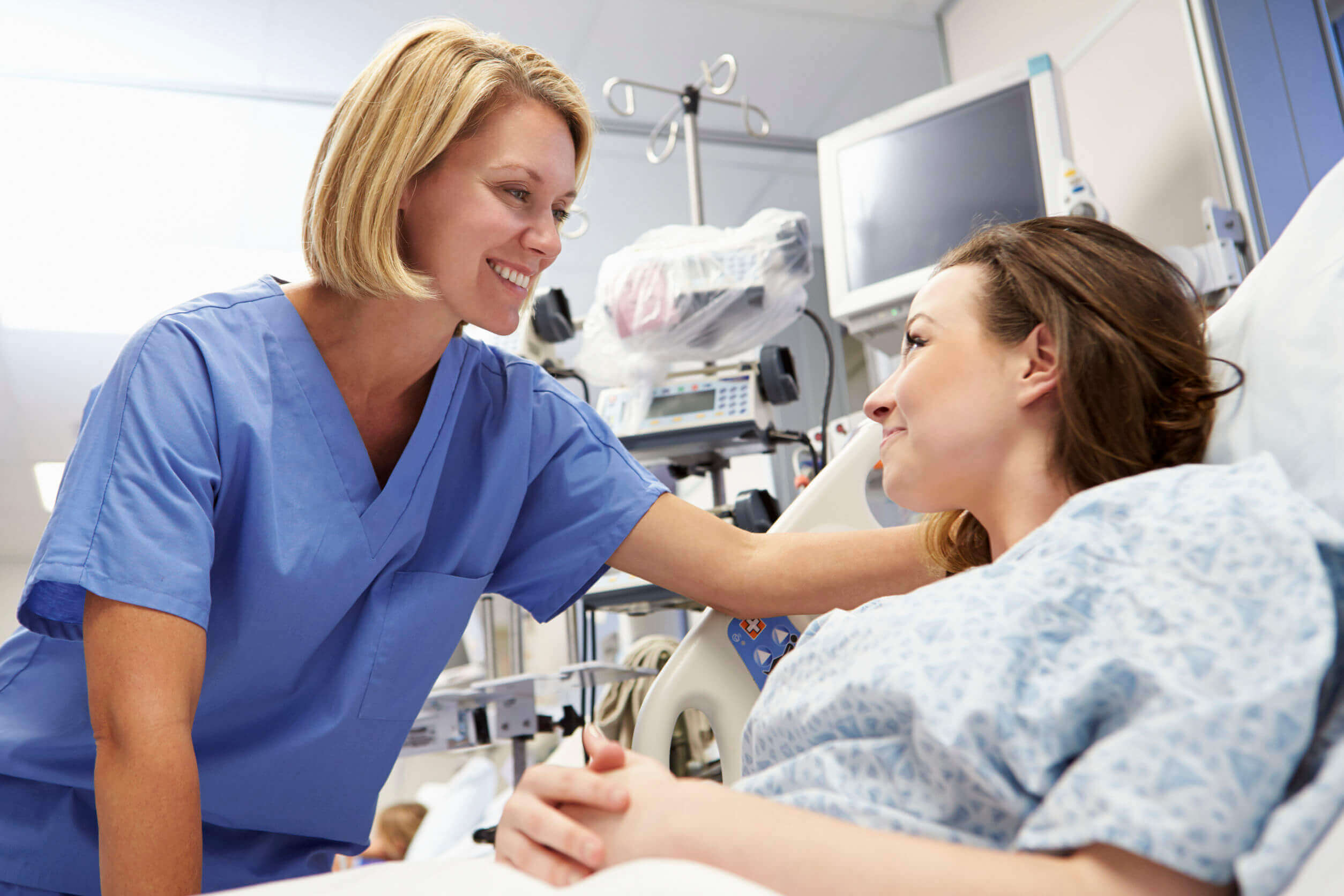
As the Care Aide working under direct guidance of senior nursing staff, you are responsible for hands-on personal care services, medication administration, meal service assistance, as well as participation in social-recreational activities.
Responsibilities Housekeeping Serving meals during breakfast, lunch, dinner Laundry Dishwashing Recreation tasks ie : Companionship Helping resident during activity Bringing residents down to the multipurpose room and back to the cottages Cleaning the multipurpose room after the activities are done Covering staff for breaks Attend meetings Kitchen aid if needed Assisting an HCA with transferring or ADL (only if they are with an HCA and only as needed) Qualifications and Experience One (1) year experience required Registered with provincial health care registry is required Completed Food Safe certification Experience in a residential care setting is preferred Demonstrate infection control procedures Exceptional interpersonal skills with peers, residents, visitors and operational partners Superior organizational skills with the ability to handle multi-resident requests Superior oral and written communication skills Demonstrate the ability to prioritize and problem solve Flexibility to work a variety of shifts Ability to stand for extended periods of time, bend, squat, kneel and lift 25 pounds Display compassion, education, proficiency, and experience while assisting residents Other duties as assigned to support operational requirements Conditions of Employment Valid CPR and First Aid Clear Police Information Check Clear Vulnerable Sector Check COVID-19 vaccination.
Who can apply to this job?
The employer accepts applications from:
- Canadian citizens and permanent or temporary residents of Canada.
- Other candidates with or without a valid Canadian work permit.
How to apply
What education and certification are required to become a Caregiver?
The education and certification requirements to become a caregiver can vary depending on the specific role, the state or country in which you plan to work, and the type of care you intend to provide. In many cases, formal education beyond a high school diploma or equivalent is not mandatory. However, obtaining certain certifications and training can enhance your skills and employability as a caregiver.
Education:
- High School Diploma or Equivalent: A high school diploma or GED is typically the minimum educational requirement for becoming a caregiver.
- Vocational Training or Certificate Programs: While not always mandatory, completing a vocational training program or obtaining a certificate in a relevant field, such as home health aide or personal care assistant, can provide you with essential caregiving knowledge and skills.
Certification:
- Certified Nursing Assistant (CNA) or Personal Support Worker (PSW): Many caregivers work as CNAs or PSWs, and obtaining these certifications can be advantageous. These certifications involve completing a state-approved training program and passing a competency exam. CNAs and PSWs are often responsible for direct care tasks, including personal care and assistance with activities of daily living.
- Home Health Aide (HHA) Certification: If you plan to provide care in a home setting, obtaining a Home Health Aide certification might be required or preferred by employers.
- First Aid and CPR Certification: Employers often prefer caregivers to have current First Aid and CPR certifications, as these skills are crucial in emergencies.
- Dementia Care Certification: If you plan to work with individuals with dementia or Alzheimer’s disease, specialized training and certification in dementia care may be beneficial.
- Medication Administration Certification: Some caregivers may be responsible for administering medications to individuals under their care. Obtaining a medication administration certification may be necessary for this role.
It’s important to note that the specific certification requirements can vary based on the state or country in which you plan to work. Different regions might have different names for similar roles or varying certification requirements.
While formal education and certifications can enhance your qualifications, hands-on experience and a caring attitude are also highly valued in the field of caregiving. Many employers provide on-the-job training for new caregivers to learn specific care procedures and protocols.
If you are interested in becoming a caregiver, research the specific requirements in your area and consider enrolling in a recognized training program or seeking certification to improve your skills and increase your job prospects in this rewarding and essential caregiving role.
What is the work environment like for Caregiver?
The work environment for a caregiver can vary depending on the type of caregiving role and the setting in which they provide care. Caregivers work with individuals who need assistance and support due to age, illness, disability, or other health conditions. Here are some common work environments for caregivers:
- Home Care Settings: Many caregivers provide care in the homes of the individuals they support. This could involve caring for the elderly, individuals with disabilities, or those recovering from illness or surgery.
- Assisted Living Facilities: Caregivers may work in assisted living facilities, which provide housing and support services for individuals who need some assistance with daily living activities but want to maintain a level of independence.
- Nursing Homes: Caregivers in nursing homes provide care to elderly individuals who require more extensive assistance with daily living activities and may have medical needs that require nursing care.
- Residential Care Homes: Residential care homes, also known as group homes or care homes, provide housing and support for a small group of residents. Caregivers in these settings may work with individuals with disabilities or those needing specialized care.
- Hospice Care: Caregivers who work in hospice care provide comfort and support to individuals with terminal illnesses and their families during the end-of-life stages.
- Hospital Settings: Some caregivers work in hospitals, providing care to patients who need assistance with daily activities during their hospital stay.
Work Environment Characteristics:
- Personal Care Assistance: Caregivers often assist with personal care tasks, including bathing, grooming, dressing, toileting, and feeding.
- Companionship: Caregivers provide emotional support and companionship to reduce feelings of isolation and loneliness.
- Medical Support: Depending on the setting and the individual’s needs, caregivers may provide medication reminders, basic medical monitoring, and assistance with medical equipment.
- Flexible Schedule: Caregivers may work on a flexible schedule, including evenings, weekends, and holidays, to accommodate the needs of the individuals they support.
- Emotional Demands: Caring for individuals with health challenges can be emotionally demanding, and caregivers need to cope with stress and maintain a positive attitude.
The work environment for a caregiver is deeply rewarding, as they have the opportunity to make a meaningful difference in the lives of the individuals they support. It requires compassion, patience, and the ability to provide person-centered care while promoting dignity and independence.